
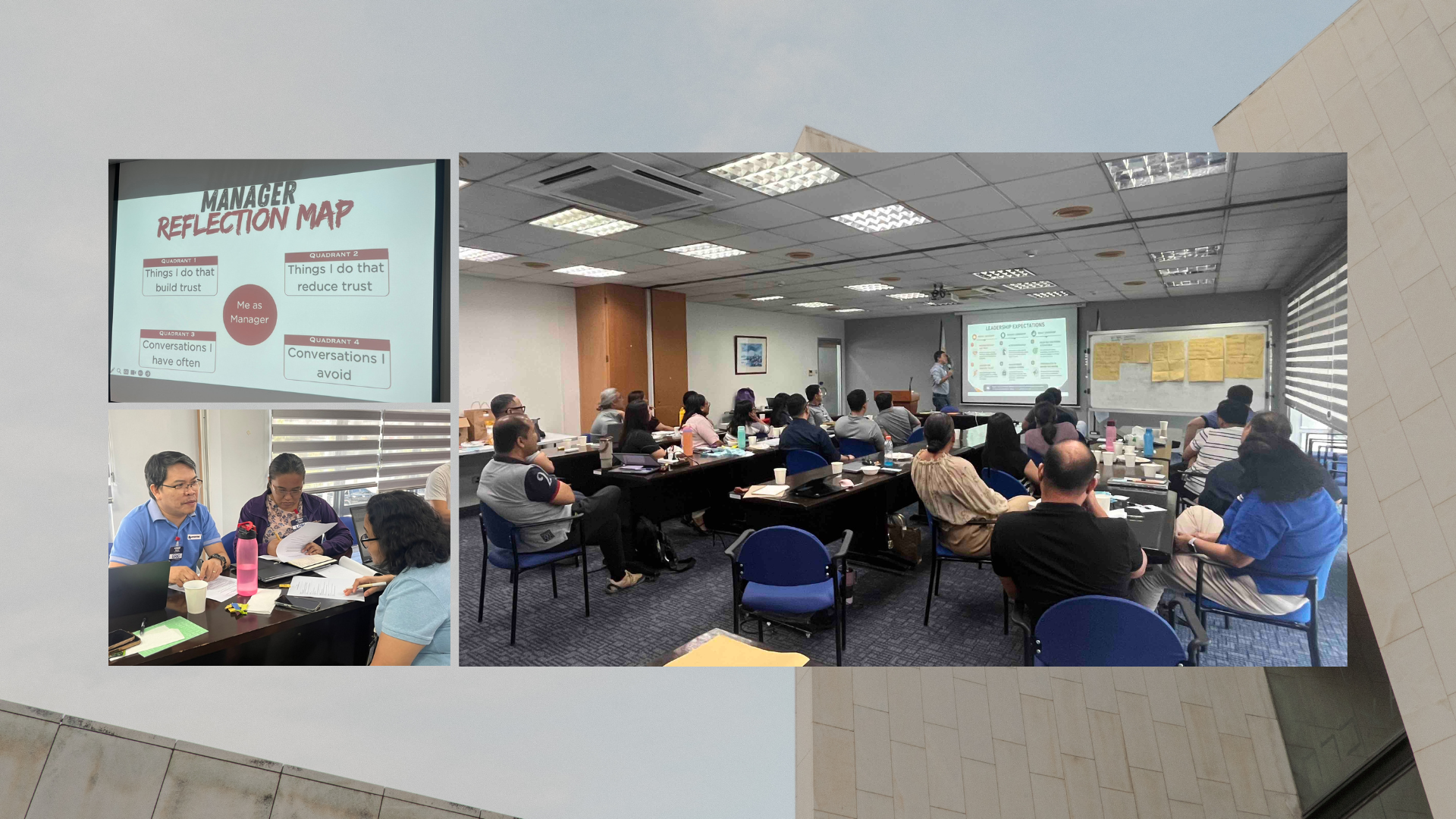
How People-Centric Leadership Builds Real Trust
Great companies aren’t built by managers who simply give instructions. They’re built by leaders who create space for honest conversations. That’s the idea behind the two-day leadership training recently held with the management team of Advantek Philippines.
The program wasn’t about production targets or operational checklists. Instead, it focused on something deeper: how leaders show up for the people who make production possible. Over two days, managers explored trust, psychological safety, and the daily habits that either build engagement or quietly destroy it.
Here’s what unfolded, and why it matters for any organization trying to grow stronger leaders.
Why People-Centric Leadership Matters More Than Managing Tasks
Many leadership programs focus on efficiency. This one flipped that approach. Facilitators opened the day with a simple but powerful question: how many instructions do you give versus how many honest conversations do you create?
That distinction sits at the heart of people-centric leadership. Consequently, the session pushed managers to consider four key questions. How do leaders build trust and psychological safety? Why do employees speak up, or choose to stay silent instead? How do daily conversations shape engagement? And what does it actually mean to shift from managing tasks to developing people?
These aren’t easy questions to answer. However, the willingness to sit with them is often what separates good managers from great ones.
Building Trust Starts With Self-Reflection
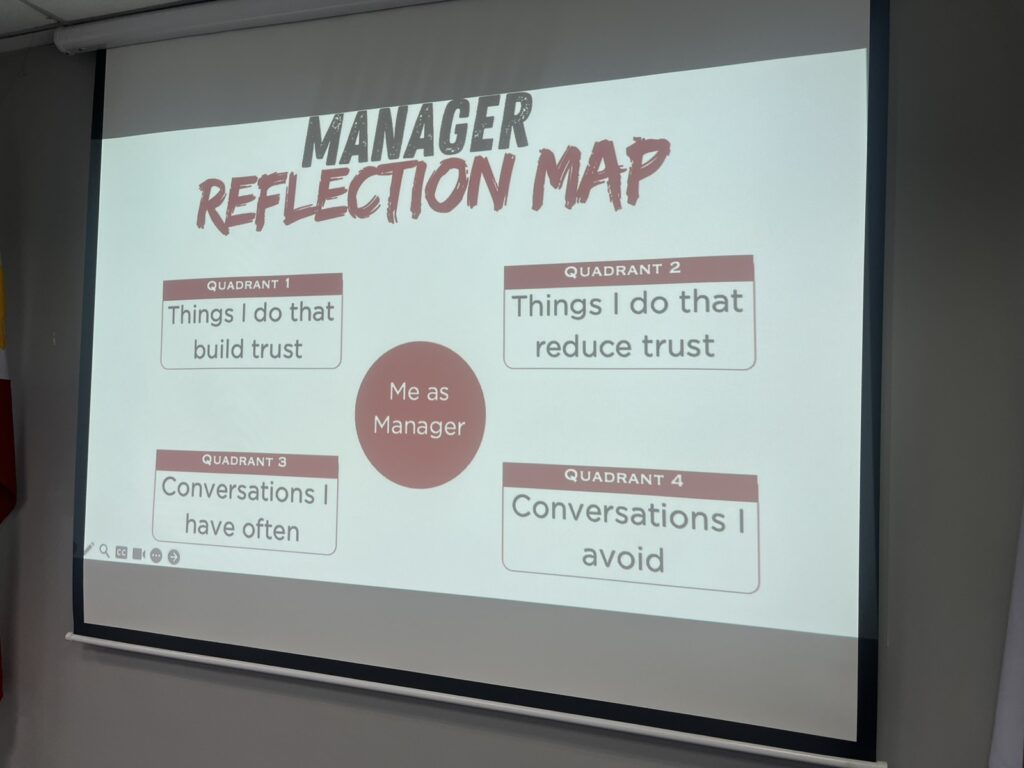
A people-centric culture doesn’t begin with new policies. It begins with leaders willing to examine their own behavior first. That’s exactly what the Manager Reflection Map exercise asked participants to do.
The map broke self-reflection into four quadrants, centered around one core question: “Me as Manager.” Leaders considered what they do that builds trust, and just as importantly, what behaviors might unintentionally reduce it. They also mapped out the conversations they have often, alongside the ones they tend to avoid.
This kind of honest self-assessment isn’t comfortable. Still, it’s necessary. Because the quality of leadership is ultimately reflected in the quality of conversations a leader is willing to have, especially the difficult ones.
Real Managers, Real Reflection
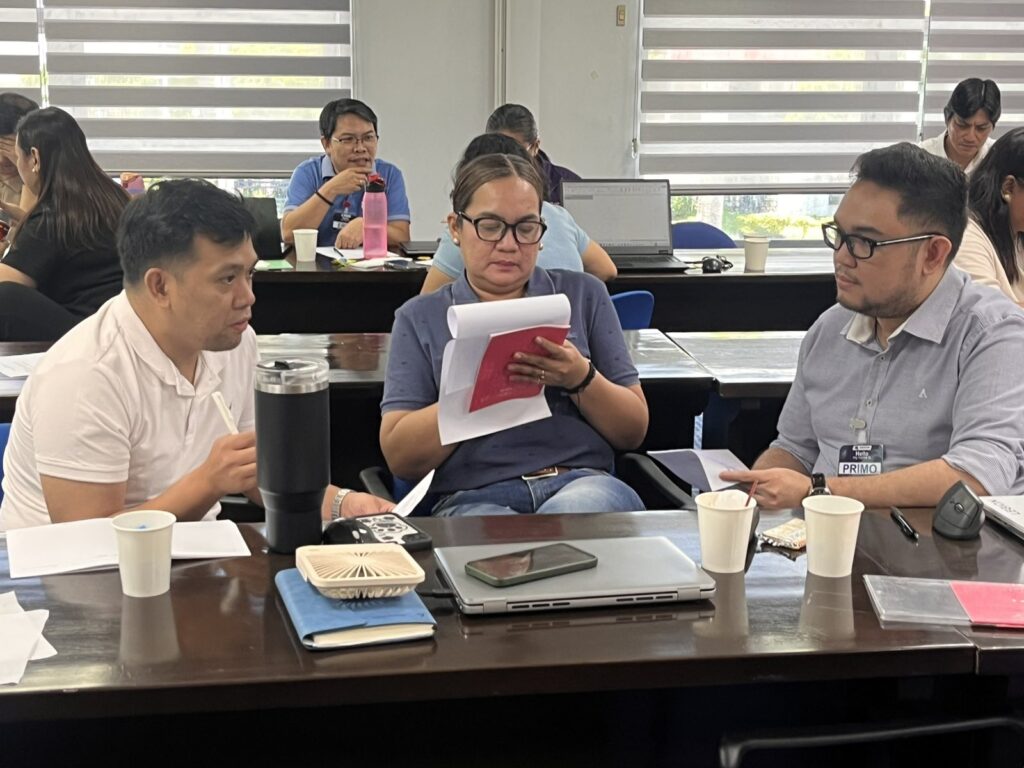
Throughout the session, small groups worked through the reflection exercise together. Managers compared notes, challenged each other’s assumptions, and talked openly about the conversations they’d been putting off.
This kind of peer discussion adds real value to leadership training. Rather than absorbing theory passively, participants tested their own habits against their colleagues’ experiences. As a result, the exercise became less about individual introspection and more about collective growth.
Culture, after all, doesn’t shift because of a single workshop. It shifts one leader, one conversation, and one decision at a time.
The Leadership Communication Pyramid
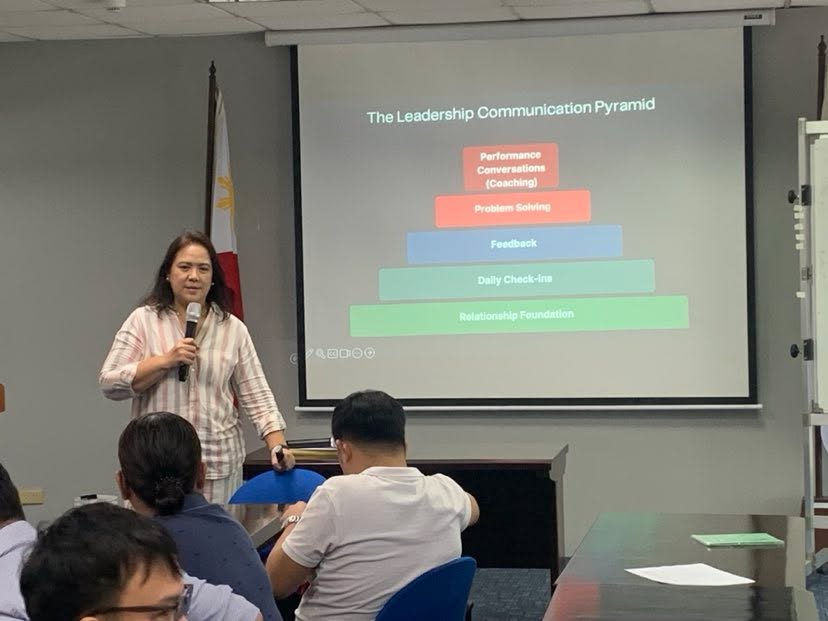
To help managers visualize where trust actually comes from, the training introduced the Leadership Communication Pyramid. At its base sits the relationship foundation, the everyday rapport that makes everything else possible. Above that come daily check-ins, followed by feedback, then problem-solving, and finally, performance coaching conversations at the top.
The structure makes an important point. Leaders can’t jump straight to tough performance conversations if the foundation underneath is weak. Without daily check-ins and consistent feedback, coaching conversations tend to feel like ambushes rather than support.
This model gave managers a practical way to diagnose their own teams. If performance conversations feel tense or unproductive, the real problem often sits lower down the pyramid, not at the top.
Interestingly, this mirrors findings from broader research on team psychological safety, such as How Psychological Safety Affects Team Performance: Mediating Role of Efficacy and Learning Behavior. Strong foundations, not top-down authority, tend to predict long-term team success.
Learning by Doing, Not Just Listening
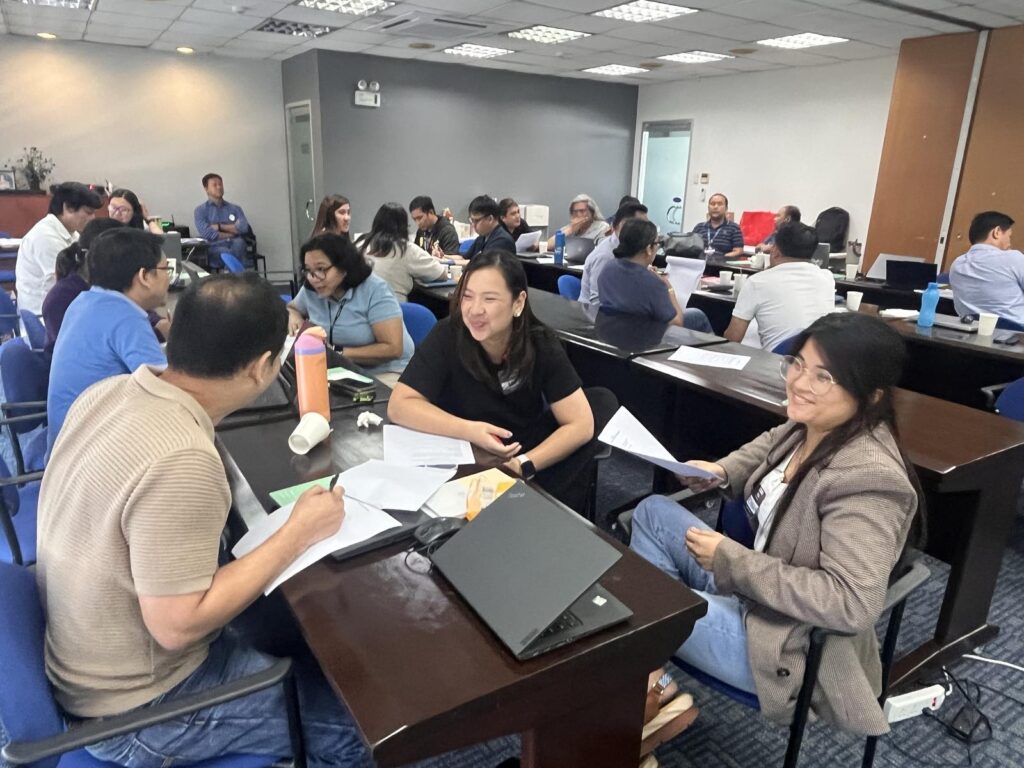
Day two moved from concepts to practice. Leadership, after all, isn’t built through lectures. It’s forged in real conversations, real role plays, and real accountability.
Advantek PH’s managers practiced staying calm under pressure. They rehearsed coaching instead of blaming, and they worked on leading with both empathy and accountability at the same time. Notably, none of this was theoretical. Each scenario was designed to mirror the actual conversations managers face on the floor.
This hands-on approach reinforces a simple truth: leadership skills develop through repetition, not memorization. Consequently, the role-play exercises gave managers a safe space to stumble, adjust, and improve before facing the real thing.
Building Trust Through Affirmation
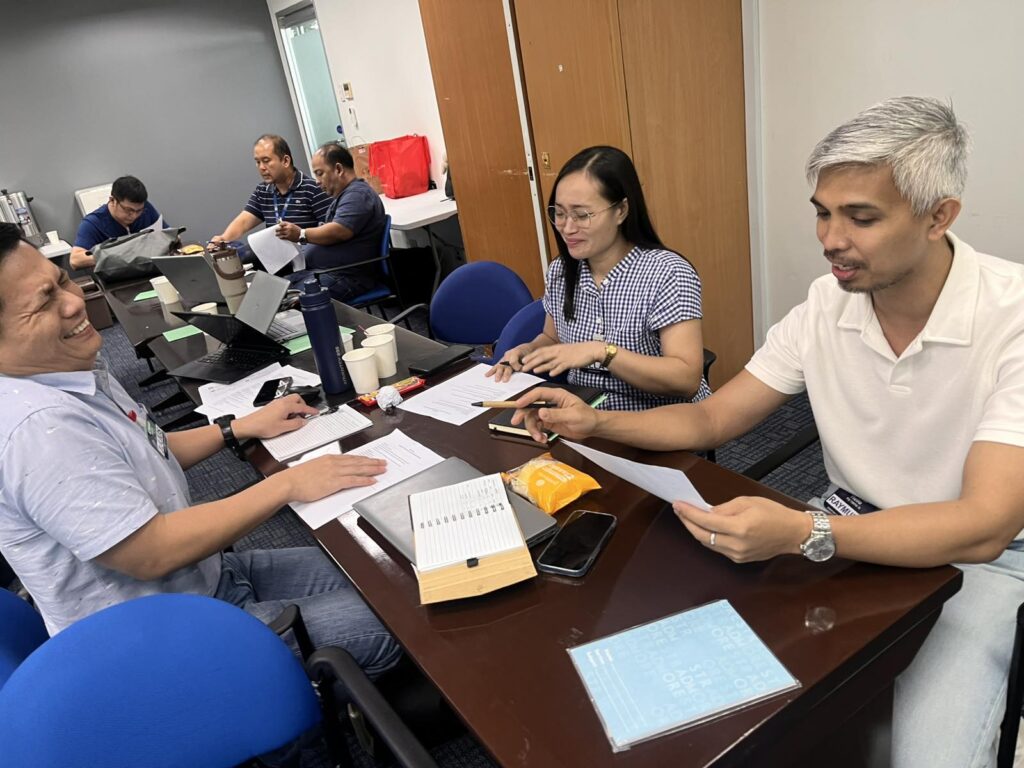
One of the most memorable parts of the training was the Feedback Circle: Affirmation Exercise. Here, participants took turns offering sincere appreciation and honest positive feedback to one another.
It sounds simple. Yet the exercise reveals something leaders often forget: recognizing strengths in others is a leadership skill, not just a nice gesture. Genuine words of affirmation strengthen relationships, boost confidence, and reinforce a culture built on respect rather than fear.
Moreover, this kind of exercise builds a habit that extends far beyond the training room. When leaders learn to consistently recognize value in their people, teams naturally grow stronger and more engaged over time.
From Training Room to Daily Practice
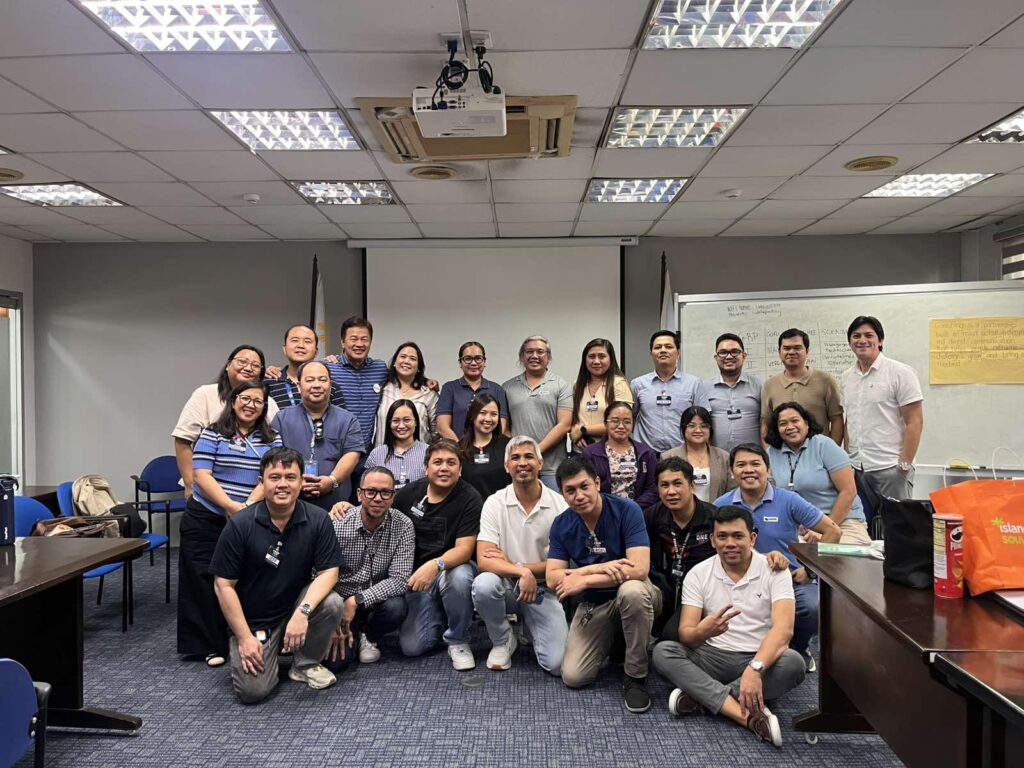
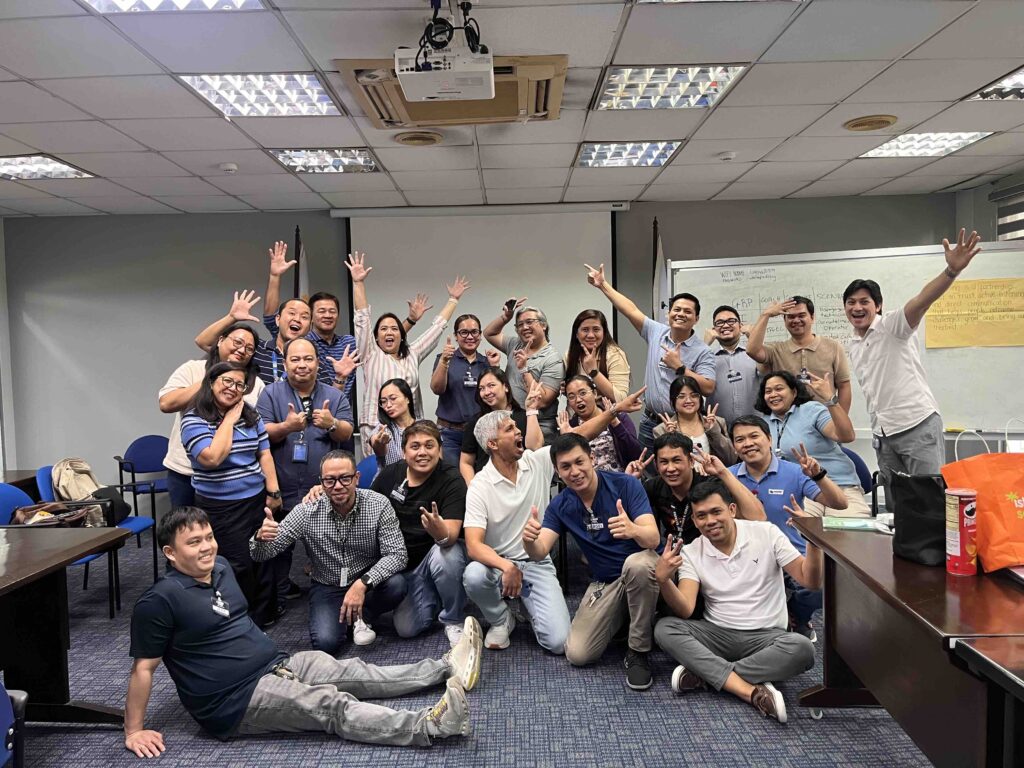
By the end of the two days, the energy in the room had shifted. What began as a structured training session turned into something closer to a shared commitment among the management team.
That commitment matters because real culture change rarely happens overnight. Instead, it happens gradually, through daily check-ins, honest feedback, and the willingness to have conversations that feel uncomfortable in the moment but build trust over time.
Advantek PH’s leadership team walked away with more than frameworks. They left with a shared language for discussing trust, accountability, and psychological safety, along with practical tools they can apply immediately with their teams.
What This Means for Your Organization
Every organization eventually faces the same leadership question: are your managers simply directing tasks, or are they developing people? The answer shapes everything from employee retention to overall performance.
People-centric leadership isn’t a soft add-on to business strategy. It’s the foundation that makes strategy executable in the first place. When employees trust their leaders, they speak up sooner, solve problems faster, and stay engaged longer.
If your management team could benefit from this kind of structured, practical leadership development, we’d be glad to help design a program tailored to your organization’s needs. Contact us now at Contact Us to start the conversation.
Final Thoughts
Leadership isn’t measured by how many instructions a manager gives. It’s measured by how many honest conversations they’re willing to create, and how consistently they show up for the people they lead.
Advantek PH’s two-day journey offers a clear reminder: culture doesn’t change through policy alone. It changes through leaders willing to reflect, adjust, and practice better conversations, one interaction at a time.
That’s the essence of people-centric leadership. It starts small, builds gradually, and ultimately transforms how an entire organization works together.