
How to Master Delegation Without Losing Control
Most leaders carry more than they should. Not because they lack trust in their teams, but because letting go feels riskier than holding on. Day 2 of CalmarLand’s Management Development Program 2 (MDP2) tackled that exact tension head-on, and the results were worth sharing.
The session centered on a single, deceptively simple question: how much of what’s on your plate today should actually still be yours? That question set the tone for everything that followed.
What Delegation in Leadership Actually Means
Many managers think delegation just means handing off tasks. However, that definition misses the point entirely. True delegation in leadership involves transferring ownership, authority, and accountability, not just workload.
When a leader only assigns tasks, they still hold the responsibility. Consequently, they end up double-checking, correcting, and eventually redoing the work themselves. That cycle exhausts everyone involved.
Real delegation looks different. It means giving someone the authority to make decisions, the accountability to own outcomes, and the support to succeed along the way. Without all three pieces, delegation quietly turns back into micromanagement.
Inside the CalmarLand Delegation Lab
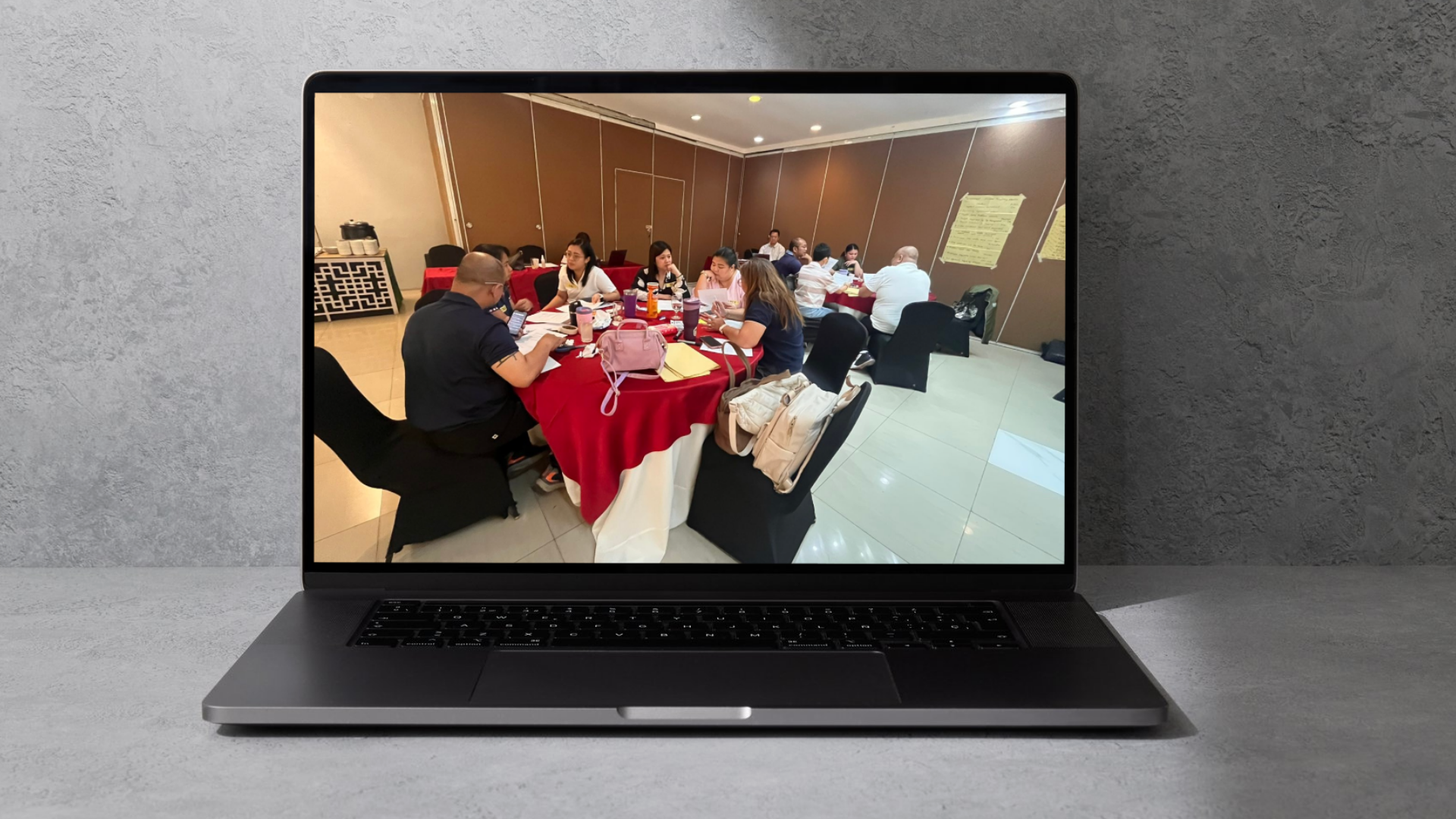
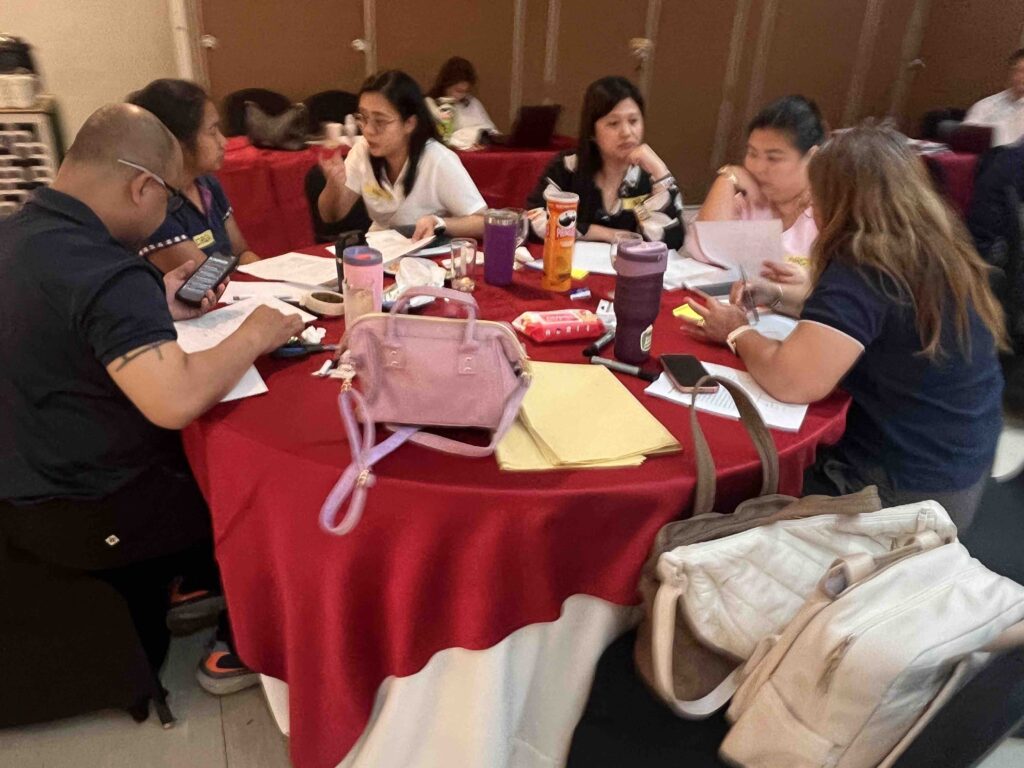
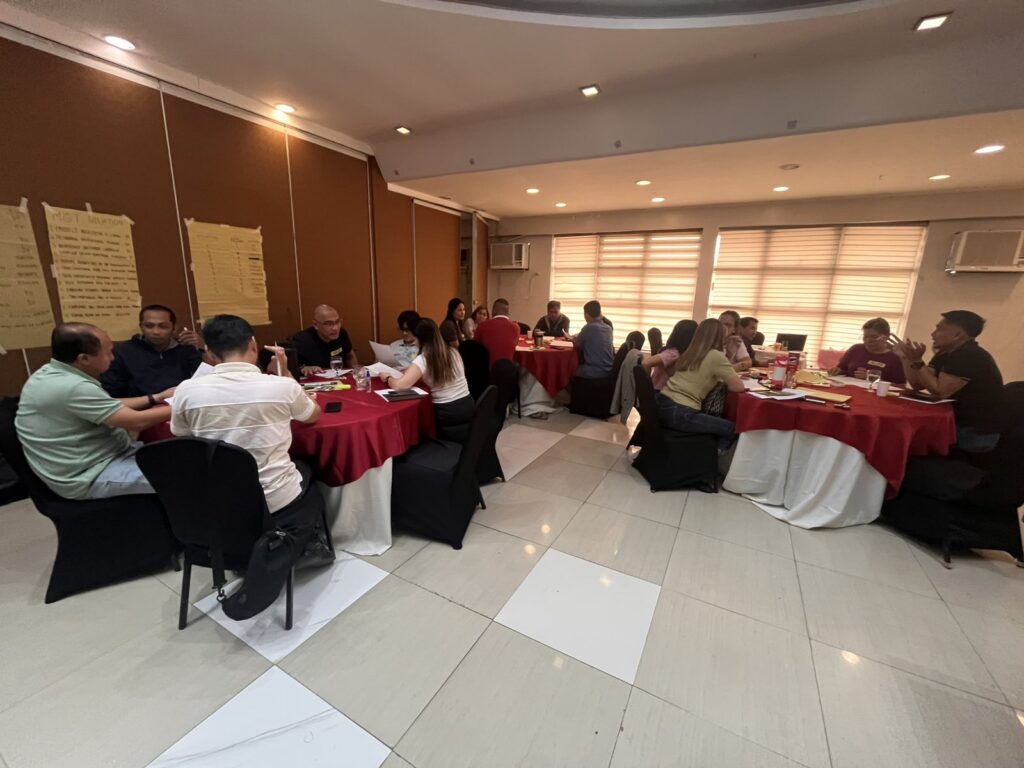
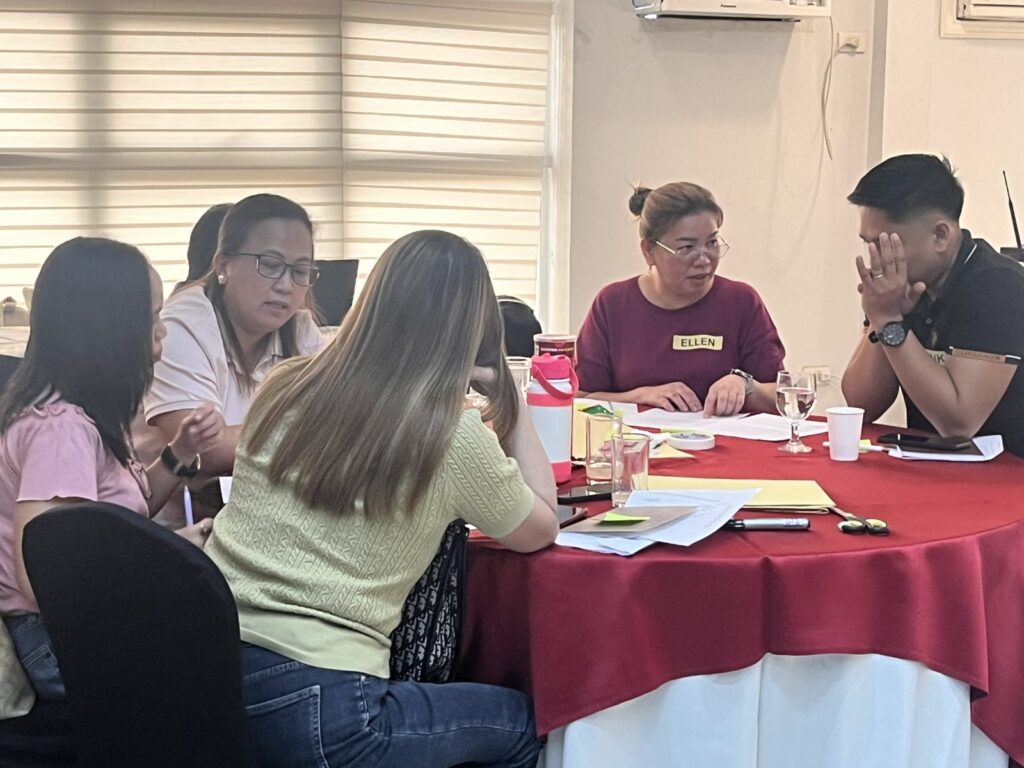
CalmarLand’s MDP2 cohort spent Day 2 inside what facilitators called the Delegation Lab. Instead of lectures, participants worked through real management dilemmas in small groups, discussing exactly how they’d handle situations that mirror their daily work.
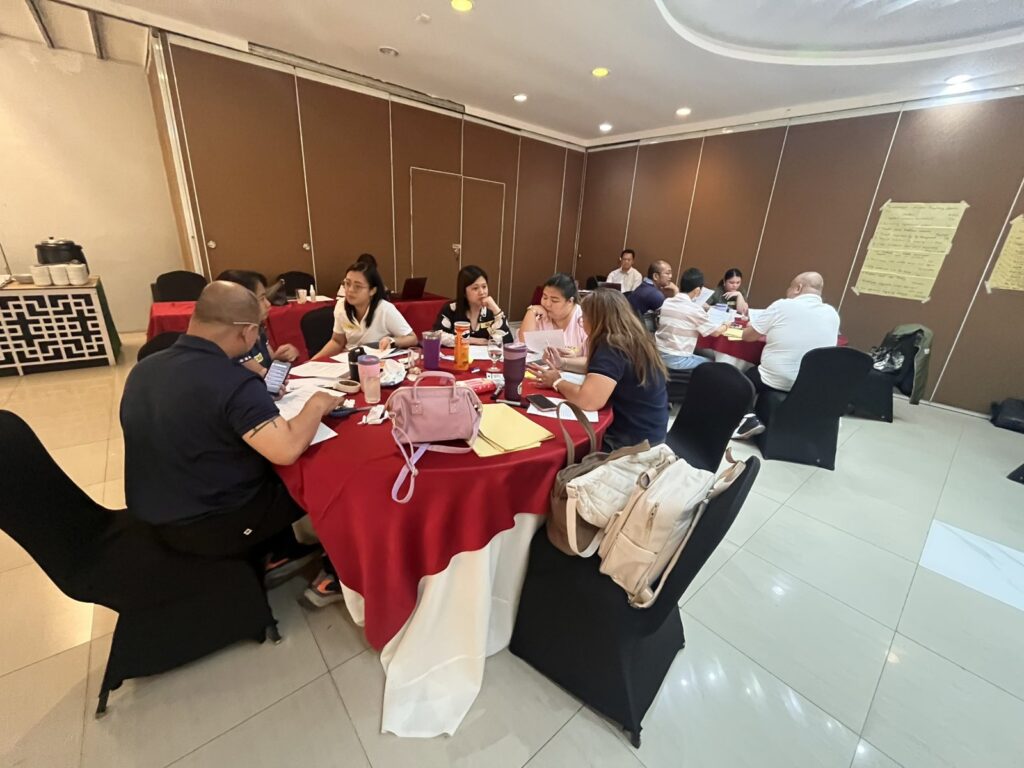
The challenge posed to every table was direct: create clarity without taking the responsibility back. That phrase captures the hardest part of delegation. It’s easy to explain a task. It’s much harder to walk away from it once questions start coming in.
Teams worked through scenarios where a delegated task hit a snag, where a team member made an unexpected decision, or where a deadline started slipping. In each case, the goal wasn’t to solve the problem for the group. Instead, it was to figure out how a leader clarifies expectations and stays available for support, all while resisting the urge to simply take the reins back.
Real Conversations, Real Dilemmas
What made the session effective wasn’t the theory. It was the honesty. Participants openly admitted where they struggle: some hold onto approvals too tightly, others avoid delegating anything that feels high-stakes, and a few confessed they’ve never actually defined what “done” looks like for the people they lead.
These conversations mattered because delegation problems rarely show up as delegation problems. They show up as burnout, missed deadlines, or a team that seems unable to take initiative. Yet often, the root cause traces back to a leader who never fully let go in the first place.
Why Leaders Struggle to Let Go
Letting go of responsibility is uncomfortable, and there’s a reason for that. Most leaders got promoted because they were excellent individual contributors. They knew how to do the work well, so naturally, they trust their own execution more than someone else’s.
Additionally, accountability feels personal. If a delegated task fails, it can feel like a reflection of poor judgment rather than a normal part of developing a team member. That fear keeps many leaders stuck in a cycle of over-involvement.
The CalmarLand cohort tackled this fear directly. Rather than treating delegation as a checklist item, they explored it as a mindset shift: from doing the work to building the people who can do the work.
Building People Who Can Carry Responsibility
Effective leaders don’t try to carry everything themselves. Instead, they invest time upfront in building capability, so responsibility can shift naturally over time. That investment pays off far beyond a single project.
This shift requires three things happening at once. First, leaders need to identify what’s genuinely ready to be handed off. Second, they need to communicate clear expectations, not vague instructions. Third, they need to offer support without swooping in and taking over.
When all three elements align, something shifts on the team. People stop waiting for permission and start owning outcomes. Meanwhile, leaders free up bandwidth for the strategic work only they can do.
The Question Every Leader Should Ask
By the end of Day 2, the room kept circling back to the opening question: what are you still holding on to that someone on your team is ready to own?
That question isn’t rhetorical. It’s a practical audit every leader should run regularly. Look at your current workload. Ask which tasks exist purely out of habit, rather than necessity. Then ask who on your team has the skill, and just needs the opportunity.
Often, leaders discover they’ve been holding onto work far longer than needed, simply because releasing it never felt urgent. The Delegation Lab format forced that reflection into the open, rather than letting it stay a quiet, unspoken worry.
Turning Reflection Into Practice
Insight alone doesn’t change behavior. What made Day 2 valuable was the practice built into the format. Participants didn’t just discuss delegation in the abstract; they rehearsed the actual conversations they’d need to have back at work.
This kind of experiential learning tends to stick because it mirrors real pressure. A worksheet dilemma about a missed deadline feels a lot like the real deadline pressure leaders face every week. Practicing the response in a low-stakes setting makes the real version easier to navigate.
For organizations investing in leadership development, this distinction matters. A workshop that only covers theory rarely changes daily habits. A lab that forces real decisions, in real time, tends to translate far more directly into changed behavior back on the job.
If you’re exploring how other organizations structure hands-on leadership training, this related resource on building delegation skills offers additional perspective: Why is management training important?
What This Means for Your Organization
CalmarLand’s MDP2 is a strong example of what leadership development looks like when it moves beyond slides and lectures. Real dilemmas, real conversations, and a room full of leaders willing to admit where they fall short create the conditions for actual growth.
Delegation, done well, doesn’t weaken a leader’s authority. It strengthens the entire team’s capacity. Furthermore, it frees leaders to focus on the decisions only they can make, rather than the tasks anyone else could handle.
If your organization is ready to build leaders who know how to let go without losing control, a structured program like this can make the difference. Contact us now at Contact Us to explore how a tailored Management Development Program could support your team’s growth.
Final Thought
Every leader carries something they probably shouldn’t anymore. The hard part isn’t identifying that; it’s building the trust and structure to hand it off well. CalmarLand’s Day 2 session proved that with the right format, that shift is entirely learnable.
So, before your next busy week begins, ask yourself the same question this cohort wrestled with: what’s still on your plate that someone else is ready to carry?