

How Self-Paradigm Shapes Your Leadership Style
Every person carries an internal blueprint that influences how they think, act, respond, and lead. This blueprint is called a self-paradigm – the collection of beliefs, perceptions, habits, and assumptions we hold about ourselves. Whether we realize it or not, our self-paradigm quietly shapes our decisions, relationships, confidence, and performance in both personal and professional life.

In many cases, professionals focus heavily on improving external skills such as communication, technical expertise, or productivity systems. While these areas are important, sustainable growth often begins internally. After all, the way we see ourselves determines the limits we place on our potential.
As a result, individuals with a healthy self-paradigm are more likely to embrace challenges, adapt to change, and pursue growth opportunities. On the other hand, those with limiting beliefs may hesitate to take initiative or step beyond their comfort zones. Therefore, understanding self-paradigm becomes essential for both personal development and effective leadership.
What Is a Self-Paradigm?
To better understand its impact, it is important to first define what a self-paradigm is. A self-paradigm is the mental framework through which we interpret our abilities and identity. It develops through experiences, environment, upbringing, successes, failures, and repeated thoughts. Over time, these patterns become deeply rooted beliefs.

For example, person who believes they are not capable of leadership may hesitate to speak up during meetings or avoid opportunities. Consequently, this mindset can gradually weaken confidence and limit professional growth. When individuals believe growth and improvement are possible, they become more willing to embrace challenges, learn from mistakes, and take initiative.
As a result, two people with similar skills and opportunities can still produce very different outcomes because their internal beliefs influence how they respond to challenges and opportunities.
According to research and pedagogical frameworks outlined by the Stanford Teaching Commons, mindset strongly influences motivation, resilience, and achievement. When individuals believe their abilities can be developed through effort and strategy, they view setbacks as opportunities for learning rather than a lack of innate ability, making them significantly more adaptable and persistent in overcoming obstacles.
How Self-Paradigm Affects Leadership
Once individuals understand their internal beliefs, the next step is recognizing how those beliefs influence leadership behavior. Leadership begins long before managing teams or making strategic decisions.. It starts with self-leadership. A leader’s internal beliefs influence how they communicate, solve problems, and inspire others.

For instance, a limiting self-paradigm may influence leaders in several negative ways. As a result, they may:
- Avoid difficult conversations
- Resist feedback
- Fear failure or criticism
- Micromanage teams
- Struggle with confidence
In contrast, leaders with an empowering self-paradigm often create healthier and more productive environments. Because of this, they are more likely to:
- Embrace continuous learning
- Build trust and collaboration
- Handle challenges calmly
- Encourage innovation
- Inspire growth in others
Organizations thrive when leaders develop healthy internal perspectives because leadership behavior often cascades throughout the entire workplace culture.
Signs Your Self-Paradigm May Be Limiting You
In many situations, people are unaware that their internal beliefs are affecting their behavior and decision-making. However, certain patterns may indicate the presence of a limiting self-paradigm. Some common signs include:
- Frequently doubting your abilities
- Feeling stuck despite effort
- Avoiding new opportunities
- Comparing yourself negatively to others
- Believing change is impossible
- Fear of making mistakes
Recognizing these patterns is the first step toward transformation. Awareness creates the opportunity for intentional change.
How to Shift Your Self-Paradigm
Fortunately, limiting beliefs are not permanent. Changing a self-paradigm does not happen overnight. However, with consistent effort and intentional practice, individuals can gradually reshape the way they think and respond. It requires consistent reflection, learning, and action. However, small intentional steps can gradually reshape long-standing beliefs.
1. Increase Self-Awareness
To begin with, increasing self-awareness requires intentional reflection. One helpful approach is to pay attention to recurring thoughts and emotional reactions. You can start by asking yourself questions such as:
- What beliefs do I hold about myself?
- Where did these beliefs come from?
- Are these beliefs helping or limiting me?
Journaling and feedback from trusted mentors can provide valuable insight.
2. Replace Limiting Beliefs
Negative internal narratives can become automatic over time. Challenge them with evidence and balanced thinking.
Instead of saying:
“I’m not good enough to lead.”
Try:
“I am continuously developing my leadership abilities.”
Consistent repetition helps create new mental patterns.
3. Take Small Courageous Actions
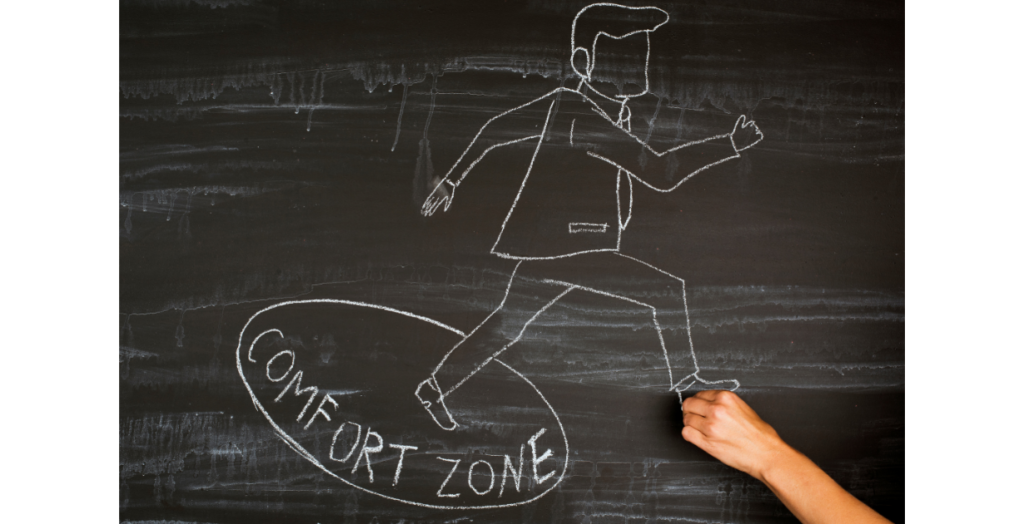
Growth often requires stepping outside familiar comfort zones. Volunteer for a presentation, lead a discussion, or contribute new ideas during meetings. Small victories help reinforce a stronger self-image because repeated positive experiences gradually reshape internal beliefs and confidence levels.
4. Surround Yourself with Growth-Oriented People
Environment matters. Supportive mentors, coaches, and peers can positively influence perspective and confidence. Being around people who value growth encourages healthier thinking pattern.
Self-Paradigm and Organizational Growth
The impact of self-paradigm extends beyond individual growth and leadership development. Companies that invest in mindset development often experience stronger collaboration, better communication, and improved employee engagement. This happens because employees who believe in growth and contribution are more likely to communicate openly, adapt to challenges, and work collaboratively. Teams perform better when individuals believe they can learn, improve, and contribute meaningfully.

Leadership training programs that focus solely on technical competencies may overlook a critical factor: the internal beliefs driving behavior. Sustainable transformation happens when people change not only what they do, but also how they see themselves.
Final Thoughts
Ultimately, the way people see themselves shapes the way they lead, grow, and respond to challenges. Your self-paradigm influences nearly every aspect of your professional and personal life. It shapes confidence, leadership, communication, resilience, and growth potential. The encouraging reality is that paradigms are not permanent. With awareness and intentional practice, they can evolve.
When individuals shift their internal beliefs, they often unlock new levels of performance and leadership effectiveness.
If your organization is looking to strengthen leadership development, communication, and workplace growth, visit our Contact Us Page to learn how we can support your team’s development journey.